
Nervous System Regulation: When Life Looks Fine but Feels Hard
Nothing is Wrong, But Nothing is Working Either
On paper, things are working.
You’re showing up. Meeting expectations. Handling responsibility.
Nothing has “gone wrong.”
And yet, inside, there’s a subtle sense of friction.
Focus doesn’t land the way it used to. Decisions feel heavier than they should. Motivation fades, then returns, without a clear reason. Confidence feels conditional.
This isn’t dramatic. It’s quiet. Easy to dismiss.
But it’s real—and for many high-functioning adults, it’s a sign that the nervous system hasn’t had space to settle.
This Is Often a Nervous System Regulation Issue, Not a Personal One
When this state appears, most people assume they need to think more clearly, rest more efficiently, or correct something internally.
But very often, the issue isn’t mindset or effort.
It’s nervous system regulation.
When the nervous system has been under steady pressure for too long, it adapts by staying partially alert. You can still function well—but clarity, creativity, and ease become harder to access.
This doesn’t mean you’re broken or burned out.
It means your system is doing its job—protecting you—without enough signals of safety to return to balance.
Why This Feeling Is So Common Now
Modern life rarely gives the nervous system what it needs to complete stress cycles.
Work follows us home. Notifications interrupt rest. Emotional labor goes unnamed. Even meaningful responsibilities keep the system activated.
Over time, the body adjusts by remaining on standby.
This isn’t failure.
It’s physiology.
And it’s why nervous system regulation has become essential—not as a trend, but as a foundation for clarity and steadiness.
Early Signs the Nervous System Is Carrying Too Much
Before burnout appears, the body often signals quietly:
Mental fog or slowed thinking
Emotional flatness or reduced range
Less access to intuition
Slower recovery after stress
A background sense of urgency
These signs don’t mean something is wrong with you.
They suggest the nervous system needs support.
This is where holistic nervous system support becomes relevant—approaches that work with the body rather than overriding it.
Why Capable, High-Functioning People Miss the Signals
If you’re used to being responsible, you’ve likely learned to push through subtle strain. You adapt. You compensate. You rely on willpower.
But the nervous system doesn’t reset through discipline alone.
Without regulation, pressure accumulates beneath the surface. Over time, this reduces flexibility and makes clarity feel effortful—even when life looks stable.
Nervous system regulation restores that flexibility so you don’t have to force your way back to yourself.
What “Nothing Is Working” Is Actually Communicating
When things feel off without an obvious cause, the body is often speaking before the mind understands.
The nervous system limits access to clarity when it senses ongoing demand. The brain stays alert, but not integrated. Decisions feel heavier. Focus narrows. Creativity fades.
This isn’t a failure of intelligence or insight.
It’s a protective response.
Nervous system healing begins when the body receives consistent cues of safety.
The Nervous System’s Role in Clarity and Decision-Making

The autonomic nervous system has two primary states:
Sympathetic activation, which supports action and response
Parasympathetic activation, which supports rest, digestion, and clarity
Chronic stress keeps the body tilted toward activation. Even small challenges can trigger alertness.
When nervous system regulation is restored, the parasympathetic system re-engages. Thinking becomes more spacious. Emotions stabilize. Decisions require less effort.
This shift is supported through somatic nervous system regulation, embodied healing practices, and sound-based approaches that communicate safety directly to the body.
Why Thinking Harder Rarely Helps
When clarity fades, many people try to compensate cognitively—analyzing more, working longer, refining strategies.
But when the nervous system is activated, the issue isn’t understanding. It’s state.
This is why somatic healing for burnout can be effective even when someone feels emotionally “fine.” It works with the body’s protective patterns rather than trying to override them.
Small practices—slowing the breath, noticing physical support, gentle movement—can shift the nervous system out of alert without force.
Stress, Burnout, and the Body’s Protective Logic
Burnout isn’t a personal shortcoming. It’s a nervous system that has been in protection mode for too long.
Chronic stress keeps cortisol elevated and reduces vagal tone, limiting the body’s ability to move into rest and integration.
Somatic nervous system regulation helps restore that capacity by releasing stored tension and rebuilding responsiveness.
This supports nervous system healing at the level where stress actually lives—in the body.
What Somatic Nervous System Regulation Involves
Somatic nervous system regulation works from the body up.
Instead of analyzing experience, it invites awareness of sensation—breath, posture, tension, movement. These signals tell the nervous system whether it’s safe to soften.
This approach is particularly helpful for people who appear functional but feel internally strained. The body doesn’t require emotional distress to become overloaded.
It only needs prolonged demand.
Embodied Healing Practices That Support Regulation
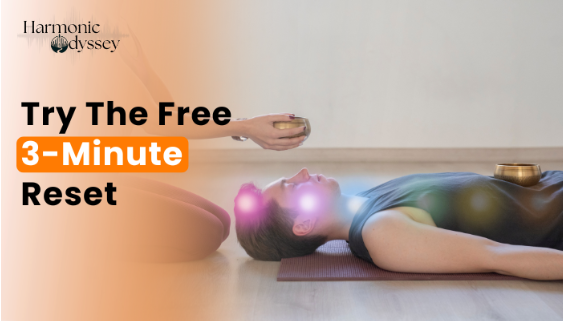
Embodied healing practices focus on how the body experiences the present moment.
Try the free 3-Minute Reset—a short sound-based practice designed to reduce nervous system overload without effort:
They often include:
Gentle, slow movement
Conscious, unforced breathing
Awareness of posture and grounding
Noticing internal sensations without judgment
These practices don’t aim to fix anything.
They restore communication between the body and the nervous system.
Sound Healing for Stress and Nervous System Support
Sound works directly with the nervous system through rhythm and vibration.
Sound healing for stress doesn’t require effort or analysis. The body responds automatically, often shifting toward parasympathetic activation when safe patterns are detected.
This makes sound especially supportive during mental fatigue or overwhelm.
When combined with somatic awareness, sound strengthens holistic nervous system support by helping the body settle without pushing.
Why Small, Consistent Support Matters
The nervous system responds to repetition, not intensity.
Short, consistent practices—two to five minutes at a time—often support nervous system regulation more effectively than occasional long sessions.
Helpful supports include:
Brief pauses between tasks
Slow breathing during transitions
Sensory grounding through touch or sound
These moments don’t interrupt life.
They make it more inhabitable.
Signs the Nervous System Is Healing
Progress is often subtle at first.
You may notice:
Clearer decision-making
Faster emotional recovery
Less internal urgency
Greater trust in intuition
These are signs of nervous system healing, not something you forced—but something your body allowed.
When Additional Support Can Help
Sometimes, self-guided practices aren’t enough—especially after prolonged stress.
Get Your instant help by trying sound healing exersices by Harmonic Odyssey.
When Nothing Is Wrong, Regulation Is Often the Answer
Feeling stuck while life looks stable doesn’t mean you’re failing.
Often, it means your nervous system has been holding more than it needs to.
You don’t have to push harder.
You don’t have to optimize yourself.
A simple place to start is offering your body a signal of safety.
If you want to feel this—not just understand it—the Harmonic Reset Workshop offers a gentle introduction to sound-based and somatic nervous system regulation practices.
You don’t need to do everything.
Just one small step.
FAQs
What is nervous system regulation?
Nervous system regulation is the process of restoring balance between activation and rest so clarity, emotional steadiness, and focus can return naturally.
How does somatic healing help burnout?
Somatic healing for burnout works with how stress is held in the body, helping release protective tension rather than pushing through it.
Is sound healing for stress safe?
Yes. Sound healing for stress uses rhythm and vibration to support calm without cognitive effort and complements other body-based approaches.
How long does nervous system healing take?
Some people notice shifts quickly. Deeper regulation develops over time with consistent, gentle support.
Are embodied healing practices evidence-based?
Yes. Practices like breathwork, mindful movement, and somatic awareness are supported by research as effective tools for nervous system regulation.







Navigation
© 2026 Harmonic Odyssey by Amandine LRH - A Greener Life LLC, All Rights Reserved.